

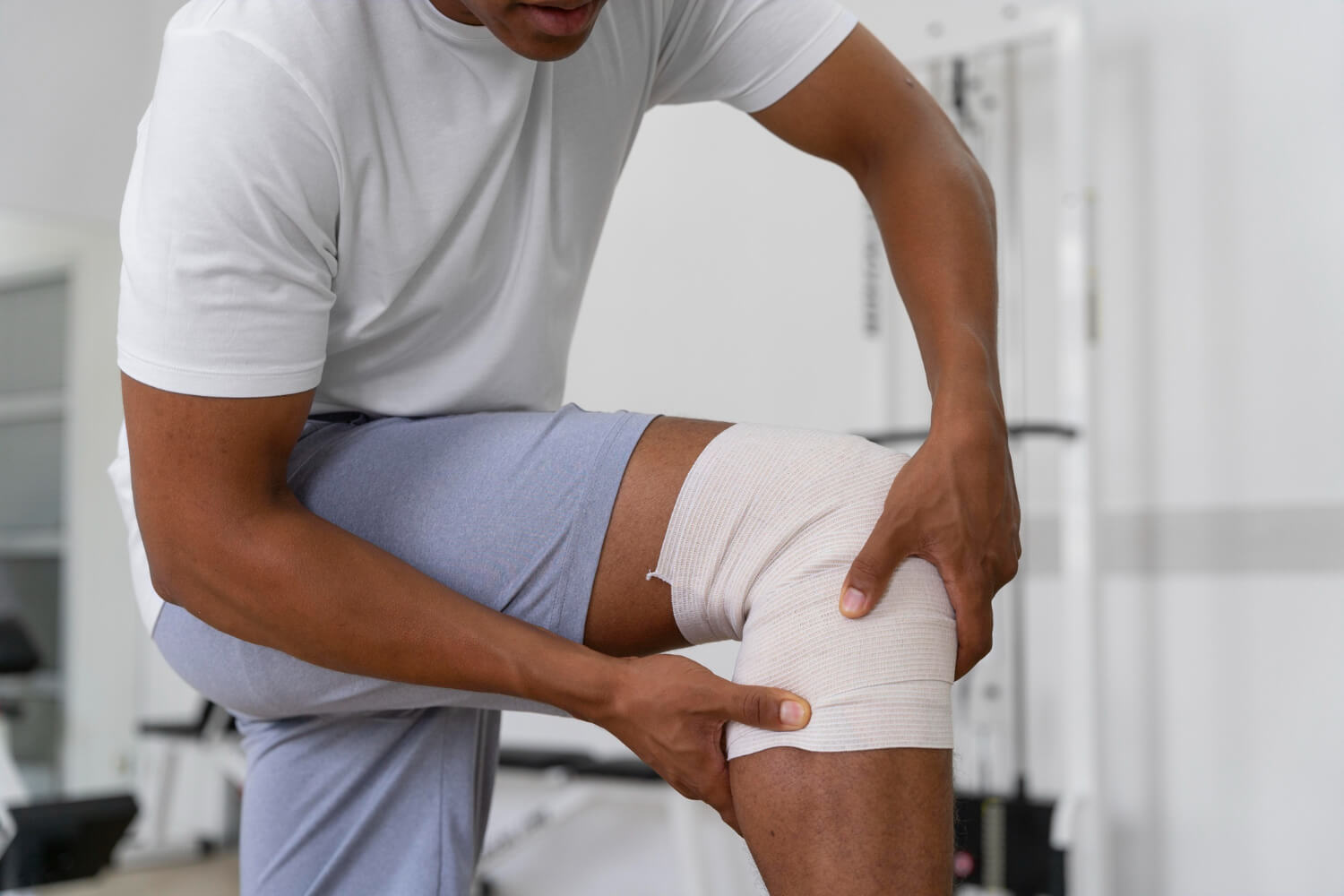
Recovering from knee replacement surgery feels easier when you follow a structured plan that supports healing. Your new joint needs time, gentle movement, and a safe home environment. This guide explains the essential knee replacement activities, comfort tips, and habits that help you heal faster while avoiding setbacks. It is crafted for individuals who have recently undergone knee replacement and want clear, practical direction.
Understanding Your Early Recovery Journey
The first few weeks after surgery create the foundation for long-term knee strength. You may start walking with support very soon after the procedure, but full recovery takes steady daily effort. Monitoring swelling, maintaining mobility, and following your care team’s instructions keep the healing process smooth. Obtain more detailed medical information from reliable sources, such as the Mayo Clinic, NIH, and CDC.
Essential Things to Follow After Knee Replacement
1. Follow Your Physical Therapy Routine
Therapists guide you through structured movements that improve flexibility and strengthen muscles around your new joint. These exercises build confidence in walking and reduce stiffness. Progress becomes steady when you perform your routine every day.
2. Practice Safe Knee Replacement Activities
Short, slow walks spread throughout the day support blood circulation and knee flexibility. Gentle leg lifts, heel slides, and range-of-motion exercises help the joint adapt. These movements should feel comfortable and controlled, not rushed.
3. Make Your Home Recovery-Friendly
Adjust your living space to reduce strain. Keep walkways clear, remove loose rugs, use a firm chair with armrests, and place frequently used items in easy-to-reach areas. A well-prepared home prevents accidental pressure on the knee and makes your daily routine smoother.
4. Use Ice to Reduce Swelling
Short ice sessions throughout the day help control inflammation. Apply cold packs for 15–20 minutes at a time to keep discomfort low, especially after walking or exercise.
5. Eat Nutritious Foods
Include protein-rich meals, fruits, vegetables, and plenty of water. Good nutrition supports tissue repair and keeps your energy steady during recovery. Healthy foods give better support for faster healing.
6. Regular Checkups Matter
Attend your scheduled follow-up visits. These appointments help your doctor track your healing progress, adjust medications, and ensure the new knee is functioning well.
Activities to Avoid After Knee Replacement
1. Avoid Sitting for Long Hours
Sitting too long increases stiffness and swelling. Stand up or walk around every couple of hours to keep your knee active.
2. Don’t Cross Your Legs
Crossing legs affects knee alignment and places unnecessary strain on the joint. Keep both feet flat on the floor while sitting.
3. Skip High-Impact Movements
Running, jumping, deep stair climbing, and heavy lifting should wait until you receive approval. These movements strain the healing joint and slow recovery.
4. Avoid Deep Bending or Kneeling
Low chairs, deep squats, and kneeling put pressure on the new joint. Choose chairs with higher seats and avoid bending beyond comfort.
5. Stay Away from Slippery Floors
Use non-slip mats and supportive footwear to prevent falls. A small slip can delay recovery or cause injury.
When to Contact Your Doctor
Reach out to your healthcare provider if you notice severe swelling, unusual pain, fever, or difficulty walking. Quick action keeps your recovery on track. Modern knee replacement techniques allow you to enjoy active living again, but the right habits make all the difference.